Landscape paintings have captivated art lovers for centuries, offering an escape into serene countrysides, towering mountain ranges, and tranquil coastlines. At Byard Art, we believe there’s something profoundly moving about how a skilled artist captures the essence of nature on canvas, drawing us into a world of beauty and peace.
Art speaks to our innate connection with the natural world, reminding us of places we’ve explored and those we dream of visiting. In our fast-paced, digital age, the timeless quality of these artworks provides a welcome pause, inviting us to step away from daily demands and reconnect with the simplicity of nature.
We appreciate how landscape paintings can evoke powerful emotions and cherished memories. A vibrant sunset over gentle hills might call back memories of a quiet summer evening, while a misty woodland scene could inspire a sense of wonder. Each painting tells its own story and encourages us to reflect on our own experiences with the natural world. Landscape art isn’t just a view—it’s a gateway to the emotions, memories, and dreams that make life rich.
Historical Evolution of Landscape Painting
Landscape painting boasts a rich, cross-cultural history that spans centuries, evolving alongside changing artistic styles and cultural values around the world.
The Beginnings in Eastern Art
The roots of landscape painting can be traced back to China in the 4th century, where artists viewed nature as a source of spiritual inspiration. Using ink on silk or paper, they depicted misty mountains, flowing rivers, and delicate trees, often adding tiny human figures to emphasise nature’s vastness. Unlike the realism that would come later, these early works sought to capture the essence of a scene.
In Japan, landscape painting flourished as artists adapted Chinese techniques, creating their own unique style. Iconic works like Hokusai’s The Great Wave off Kanagawa reflect the Japanese refinement of landscape as a powerful visual language, blending nature’s beauty with human experience.
The Rise in Western Art
In Europe, landscape painting didn’t emerge as a standalone subject until the 16th century. Before that, landscapes primarily served as backgrounds for religious scenes. Dutch artists were among the first to bring landscapes into the foreground, capturing the everyday beauty of the flat Dutch countryside with windmills, farms, and villages. These scenes resonated with middle-class buyers who appreciated art that reflected their own lives.
In Italy, artists like Claude Lorrain crafted romanticised visions of the Roman countryside, incorporating ancient ruins and mythical figures to add a sense of history and drama. This idealised approach influenced European tastes, giving landscapes a new place of prestige in Western art.
The Romantic Edge of Paintings
The late 18th and early 19th centuries saw a dramatic shift with the Romantic movement, which emphasised nature’s raw power and beauty. Artists began exploring the sublime—nature as something awe-inspiring and beyond human control.
British painter J.M.W. Turner captured the tempestuous spirit of nature in his stormy seas and mist-covered mountains, using bold colours and light to evoke drama.
In America, the Hudson River School artists painted vast, unspoiled wilderness scenes, viewing nature as both a source of national pride and spiritual renewal. Romantic landscapes embraced a sense of awe, portraying nature’s grandeur in ways that encouraged viewers to pause and reflect on their place within it.
The Many Elements of Landscape Art
Landscape paintings captivate viewers by drawing on essential artistic elements that transform a scene into a journey through nature’s wonders. At Byard Art, we celebrate the unique choices artists make to create landscapes that resonate deeply with those who view them.
Composition and Perspective
A well-composed landscape painting is grounded in its structure. Many artists use the rule of thirds, positioning key elements off-centre to create dynamic, engaging scenes. Leading lines—such as pathways, rivers, or tree lines—draw the viewer’s eye through the scene, offering an invitation to explore.
Perspective is equally vital, adding depth and realism. Linear perspective makes distant objects appear smaller, while atmospheric perspective softens those in the background, mimicking how we perceive depth in the natural world. Foreground elements like trees or rocks frame the view, while mid-ground hills and lakes create layers, leading to majestic mountains or skies in the background.
Colour and Light
Colour is the heartbeat of landscape art. Artists choose palettes that capture the mood and setting of each scene, from warm, fiery sunsets to cool, tranquil mornings. Light influences every shade, with artists studying how sunlight alters colours and casts shadows at different times of day. Highlights create vibrancy, while shadows add dimension.
Colour harmony is essential to a cohesive scene. Contrasting colours bring intensity, while analogous tones offer serenity. Many artists limit their palettes to enhance unity, creating a balanced, inviting landscape that draws the viewer in.
Interpreting Beauty
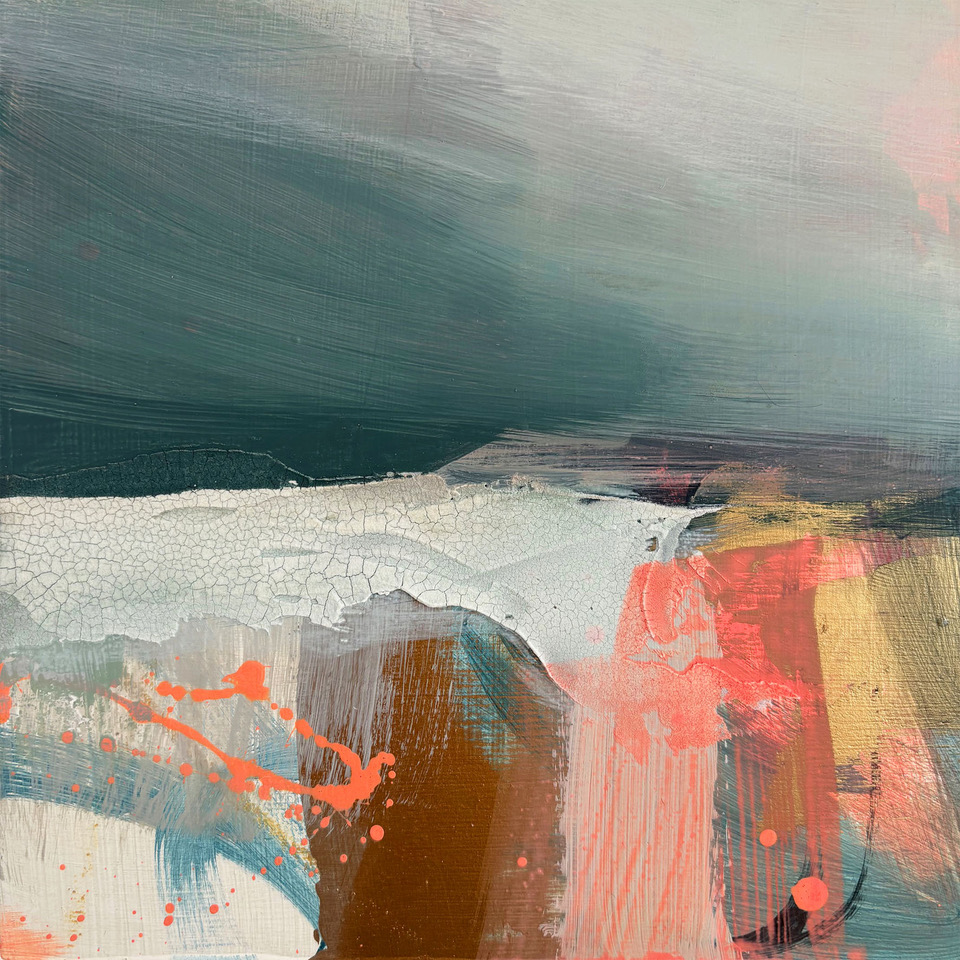
Landscape artists bring their own vision to the canvas, offering more than just a literal representation. Some may intensify colours for a dramatic touch, while others simplify shapes to capture a location’s essence.
Brushwork further enhances the artist’s expression. Loose, energetic strokes might suggest rustling leaves or flowing water, while smooth, blended strokes evoke calm skies or still lakes. Artists sometimes include buildings or figures, adding scale and inviting us to reflect on our place within nature.Emotional resonance is the ultimate goal. The most moving landscapes evoke awe, peace, or nostalgia, connecting us to nature’s beauty in a profoundly personal way. We believe these elements of artistry combine to make landscape paintings an enduring and cherished form of expression. If you love landscape art as much as we do, then check out our beautiful paintings by artists across the world!