Bio
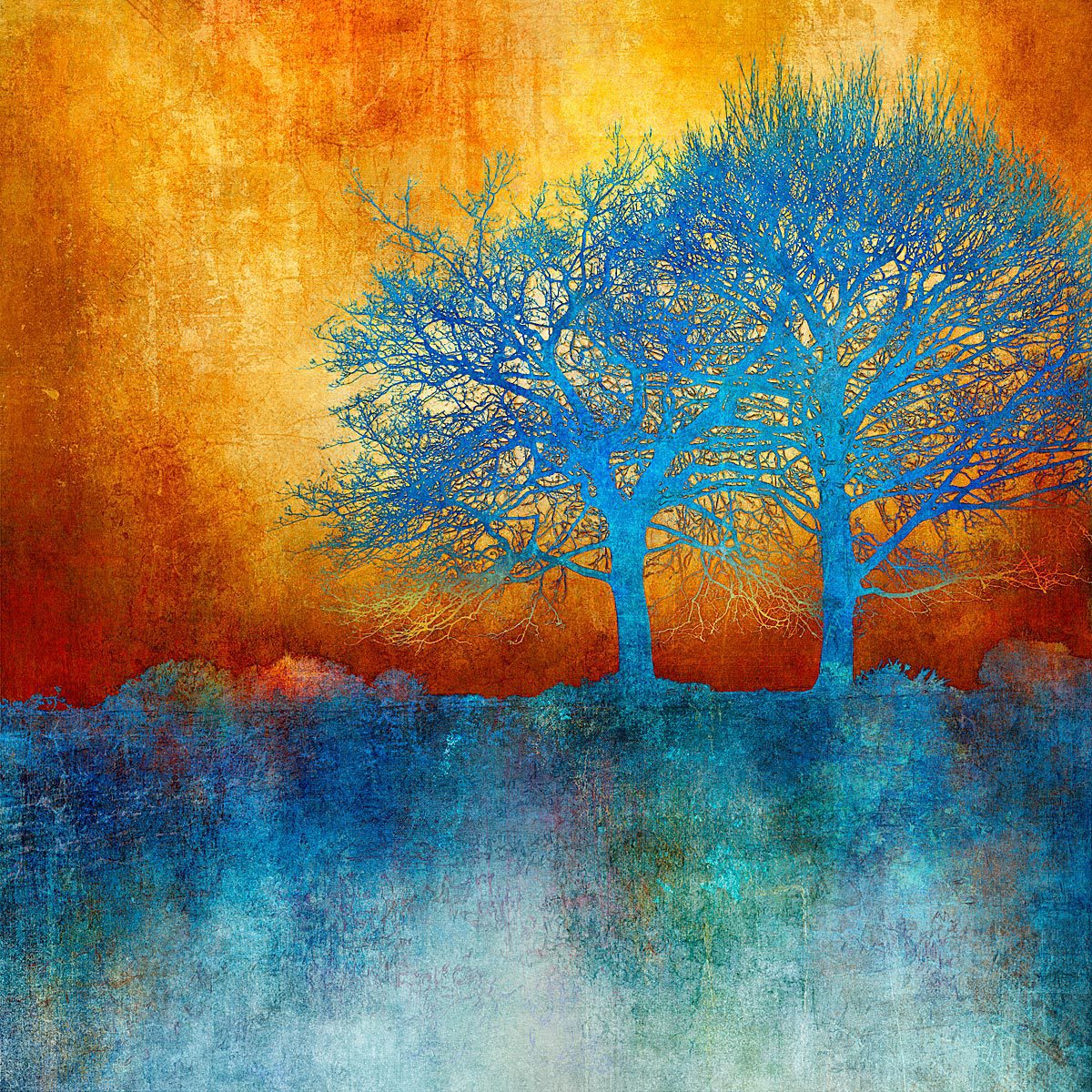
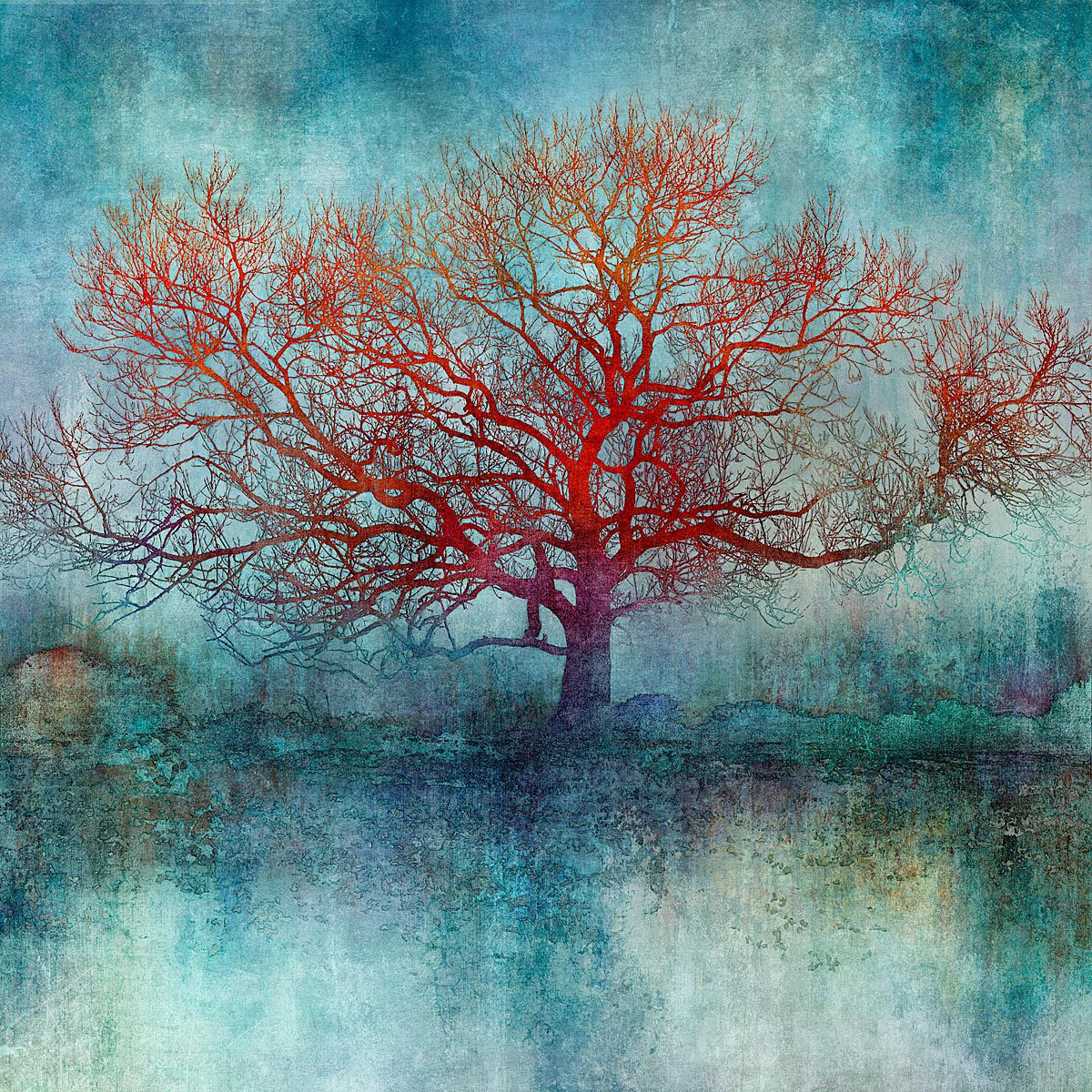
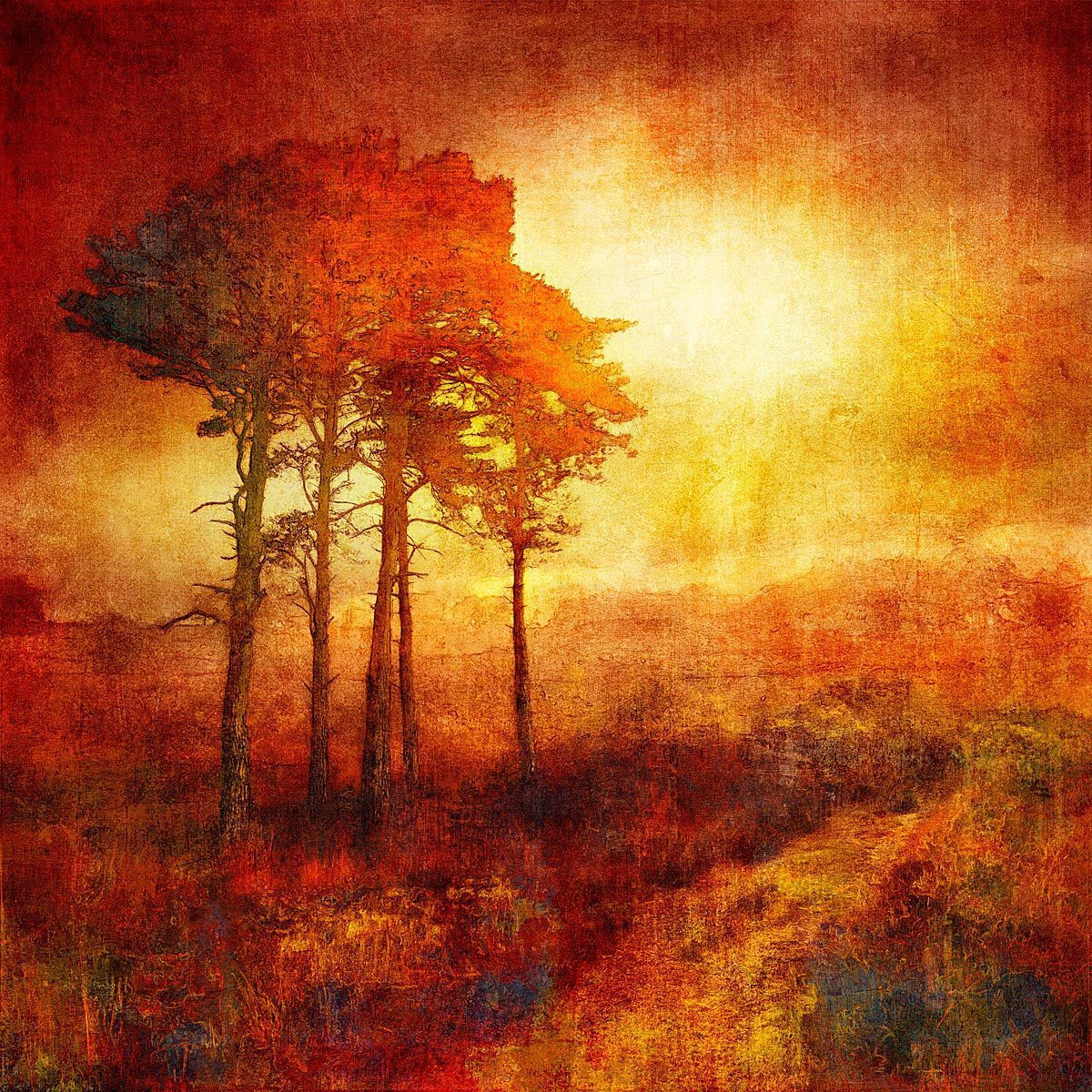
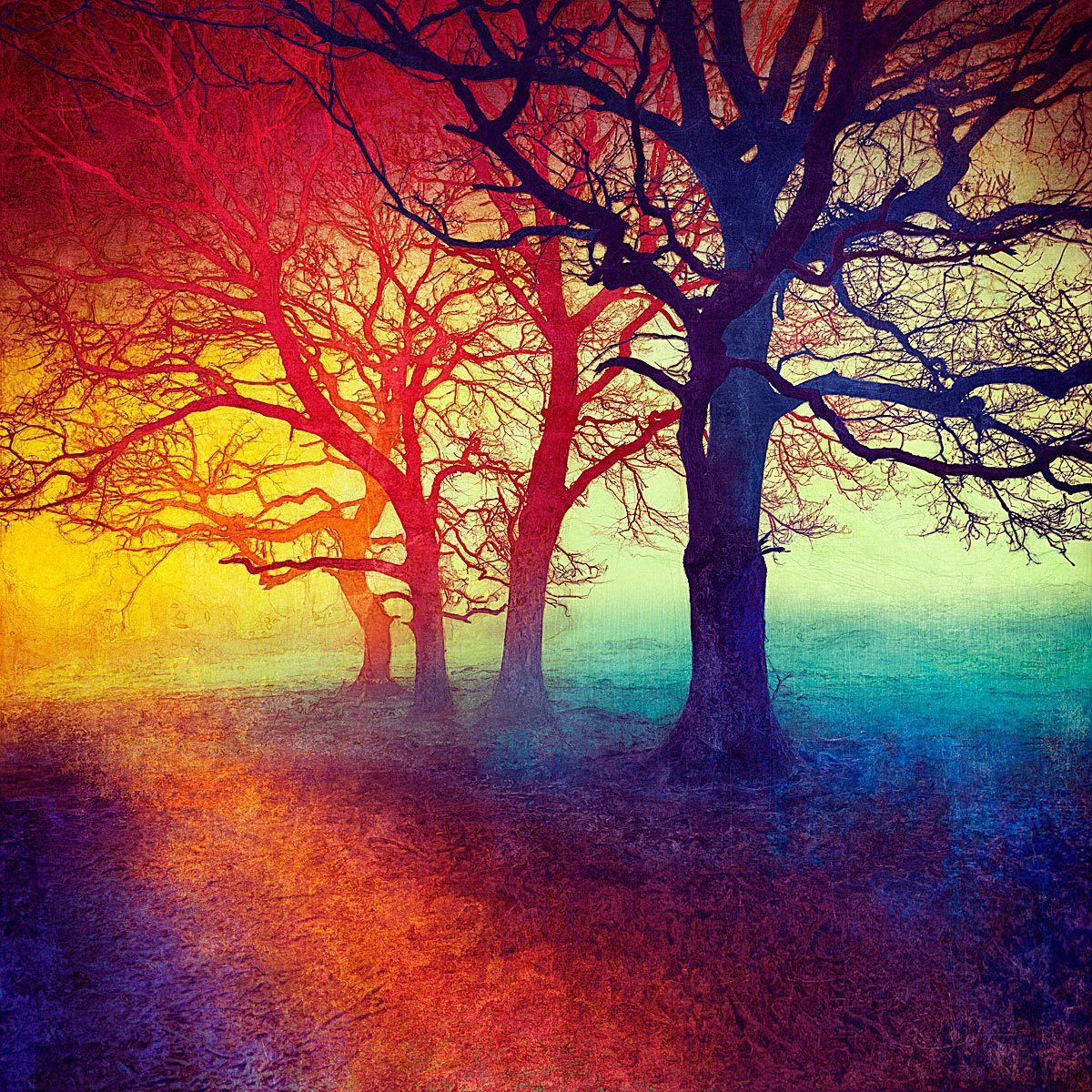
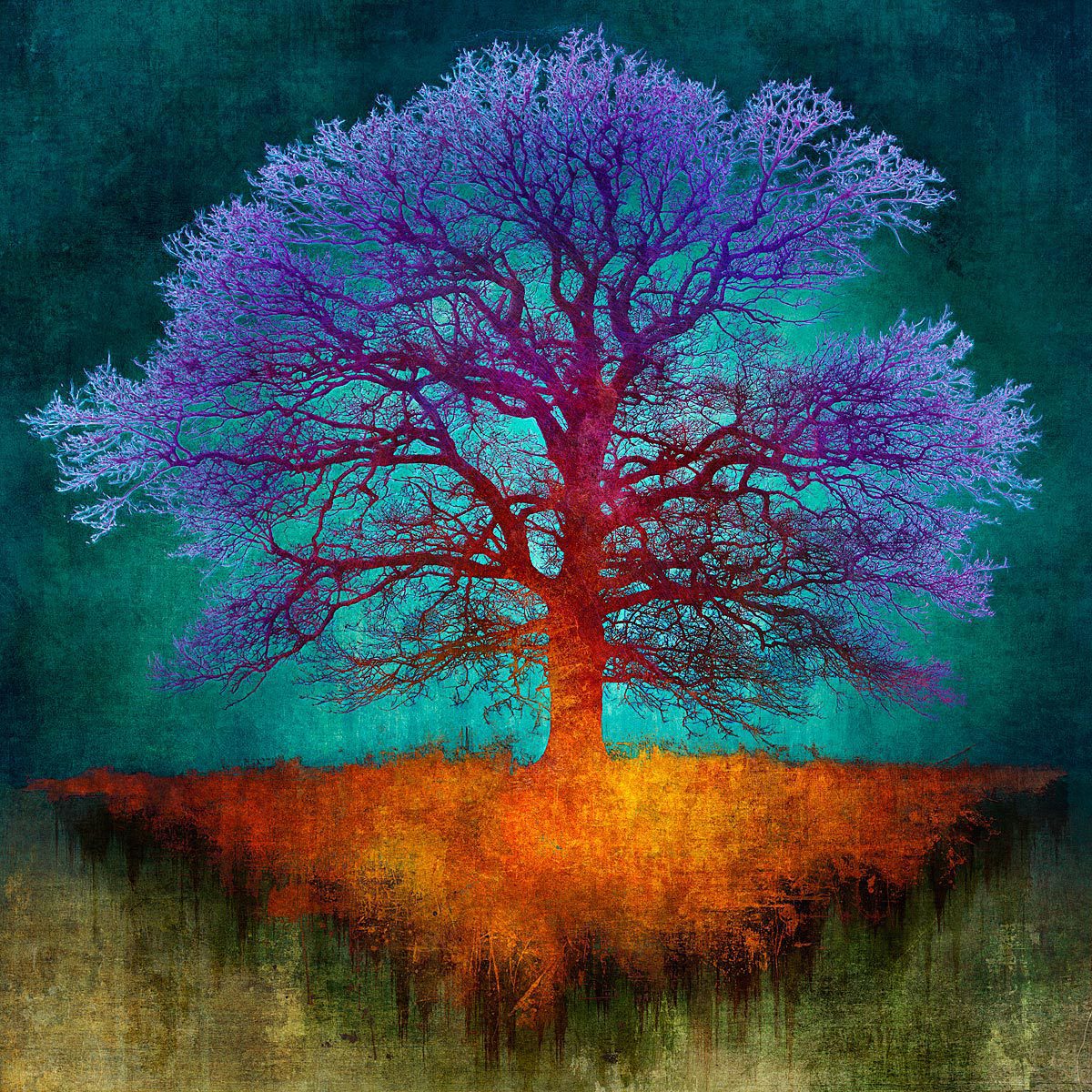
Mark Munroe-Preston is a photographic and digital artist whose work blurs the boundaries between photography, abstraction, and digital painting. Drawing on decades of experience in image-making, Mark transforms his own landscape photography into dreamlike visual compositions that evoke memory, mood, and atmosphere.
His pieces often resemble weathered frescoes or soft encaustic paintings, layered, painterly and immersive. At the heart of his process is a desire to move beyond representation, using digital tools to express the emotional resonance of a place rather than its literal appearance. The result is work that sits somewhere between the seen and the sensed.
History
Born in Yorkshire, Mark studied photography at Wolverhampton Polytechnic before relocating to London, where he began his career as a still life photographer. His interest in digital media gradually led him toward illustration and, eventually, CGI – producing work as a children’s illustrator for a number of years. A move to Sussex in 2001 marked a turning point. Surrounded by the vast open spaces of the Ashdown Forest and the South Downs National Park, Mark reconnected with landscape photography as a personal pursuit.
He spent years exploring these environments with his camera and his dogs, gradually building an archive of evocative imagery. In 2017, he began transforming these photographs into digital artworks for his first local exhibition. Since turning to art full-time in 2018, Mark has exhibited widely across the UK and internationally.
Style & Technique
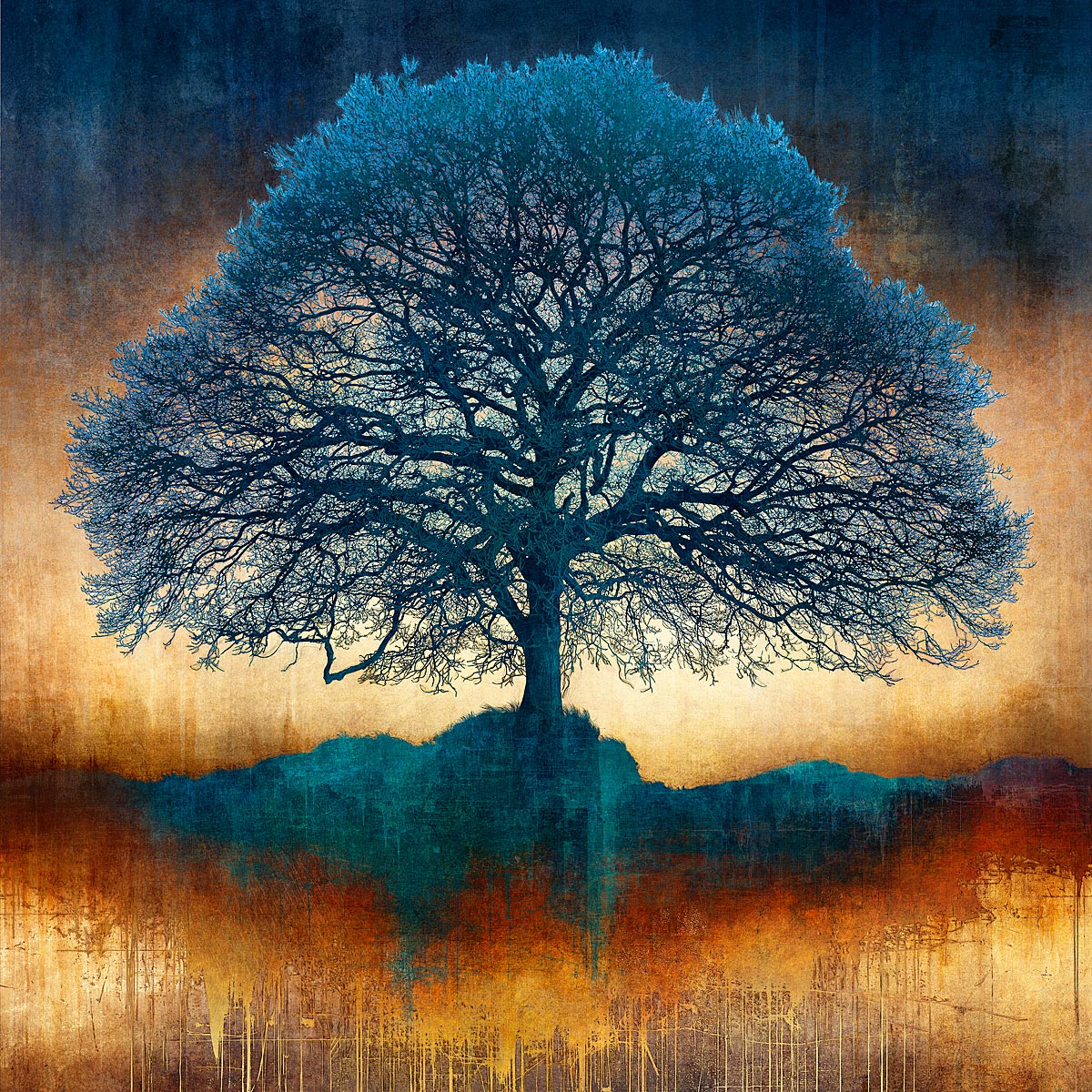
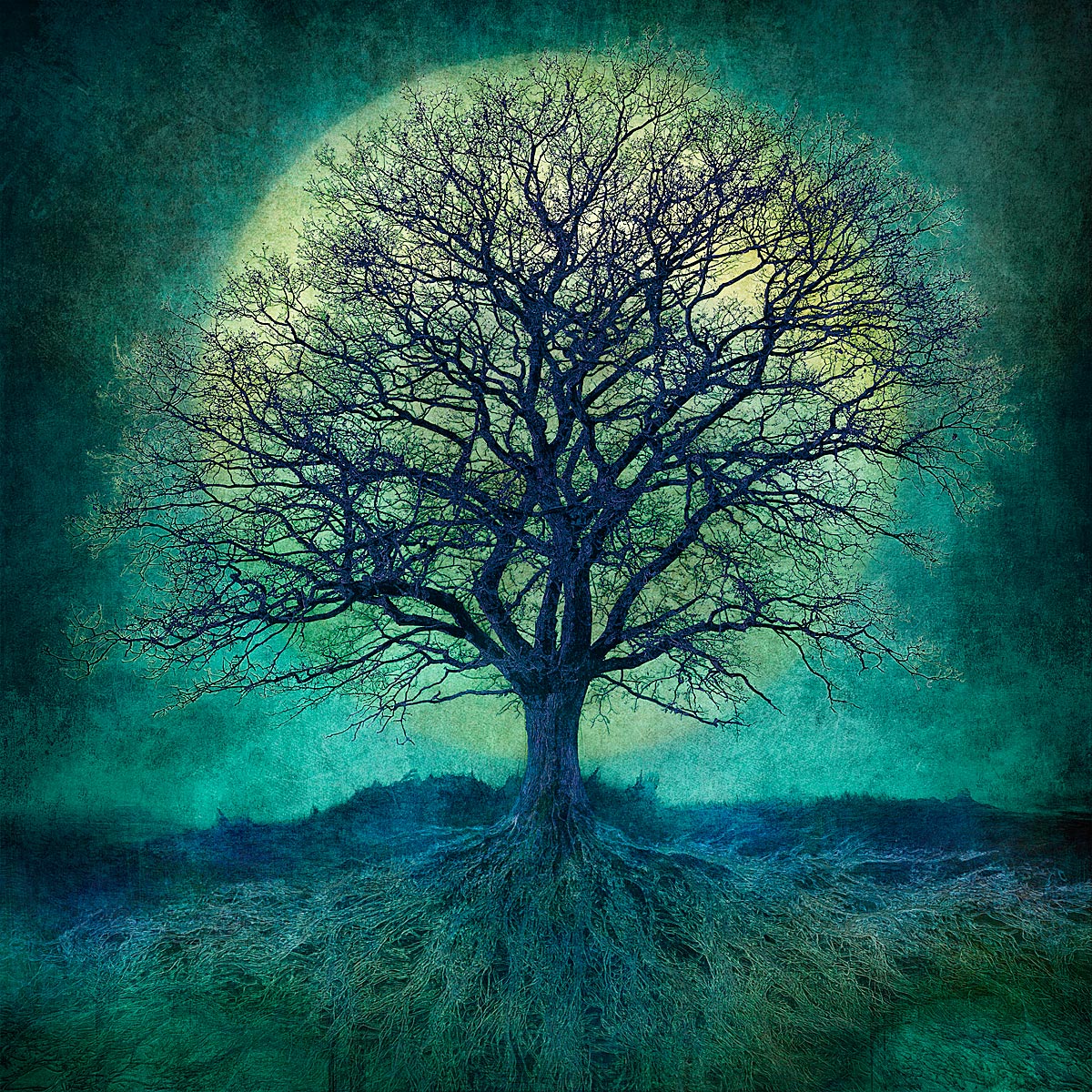
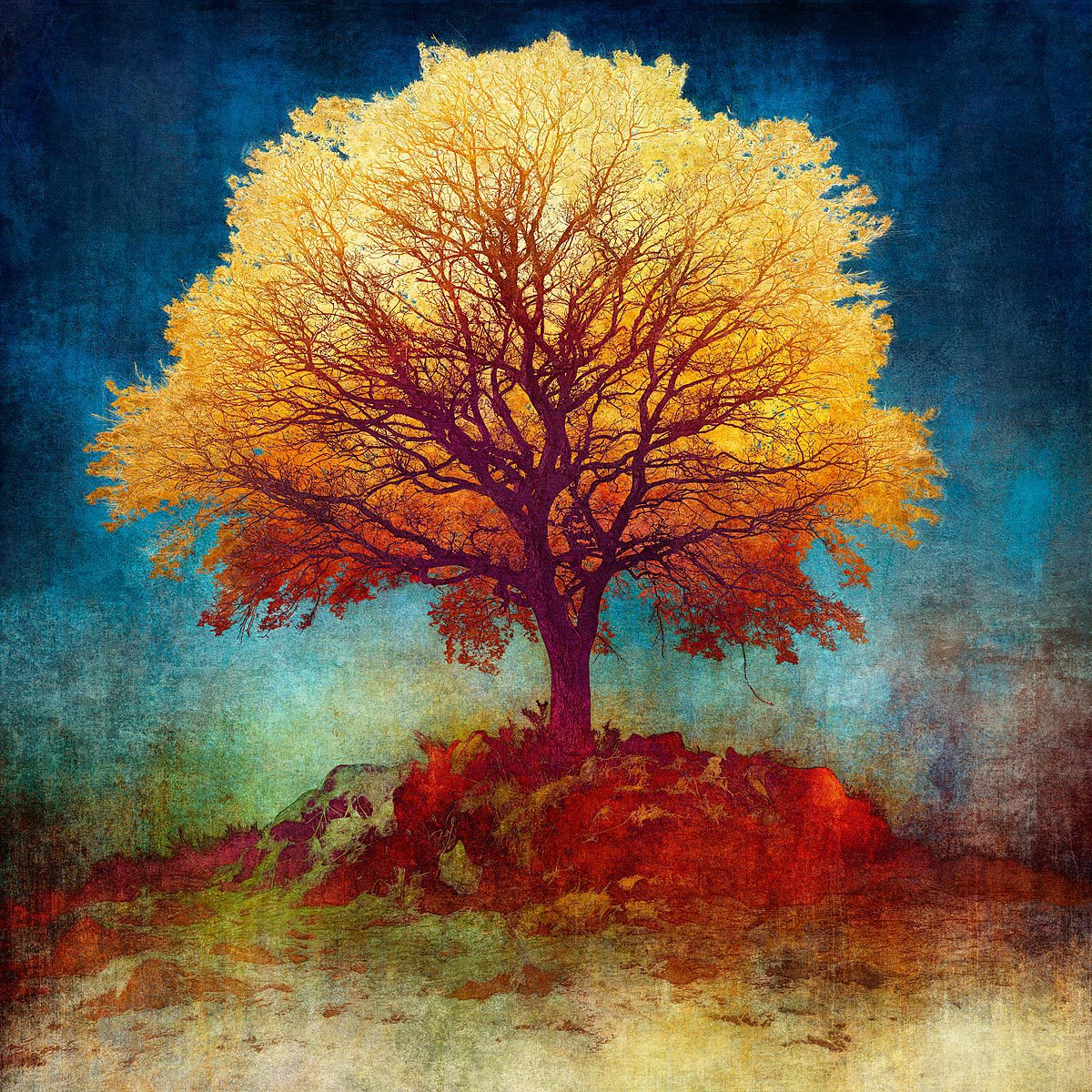
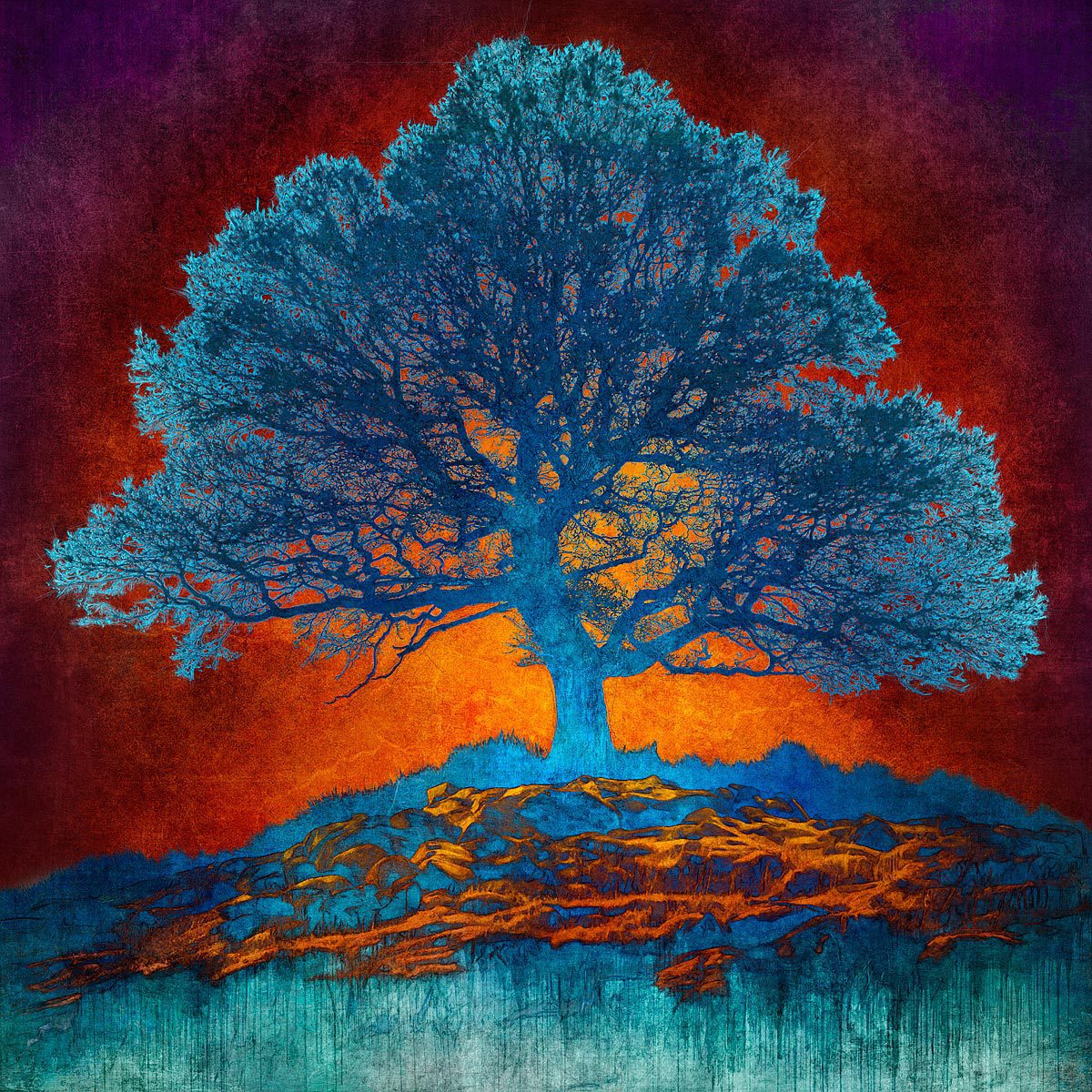
Mark’s style is contemplative, layered, and deeply atmospheric. Each piece begins with a photograph, often of a wooded path, a lone tree, or a sweeping hillside, which is then digitally manipulated using techniques more akin to painting than photography.
Through a process of texturing, layering, and subtle colour shifts, he removes the literal and leaves only the emotional core. Edges dissolve, structures fade, and the landscape becomes something softer, more inward-facing. His muted palettes and organic forms reflect both the serenity of the natural world and the psychological depth of memory. It’s a style that doesn’t shout, but lingers – and rewards slow looking.