Bio
Carol Peace (b. 1970, Harrogate) is a British figurative sculptor whose work pulses with quiet humanity. After earning her BA in Fine Art Sculpture at Winchester School of Art (1992), she spent the early years of her career in Bristol’s Sculpture Shed, later Spike Island. She deepened her practice through drawing studies at what is now the Royal Drawing School, a discipline she continues to carry into her sculptural process.
In 2007, Carol co-founded the Bristol Drawing School, nurturing a community of observation and technique, and she later served as a patron of the Royal West of England Academy. Now based between East London and rural Wales, she creates work that feels both grounded in life and radiant with emotional authenticity.
History
Over more than three decades, Carol has carved a striking path through solo exhibitions, residencies, and commissions. Her first studio in Bristol led to a glittering exhibition history across the UK, Europe, and beyond. Highlights include her New Work show at Sculpture by the Lakes in 2025.
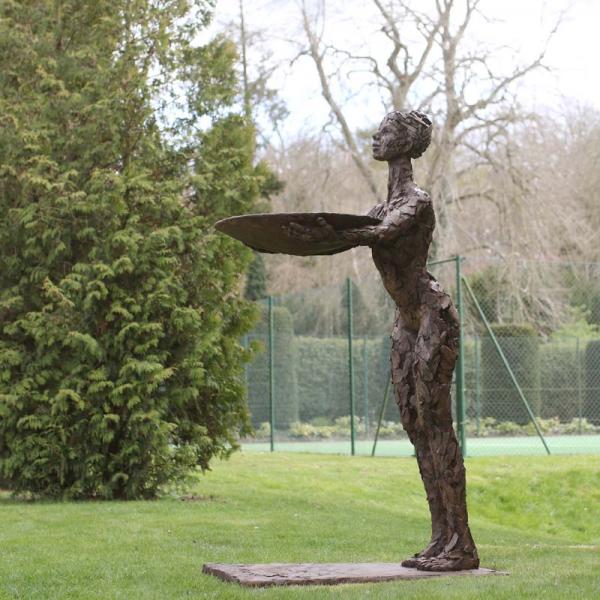
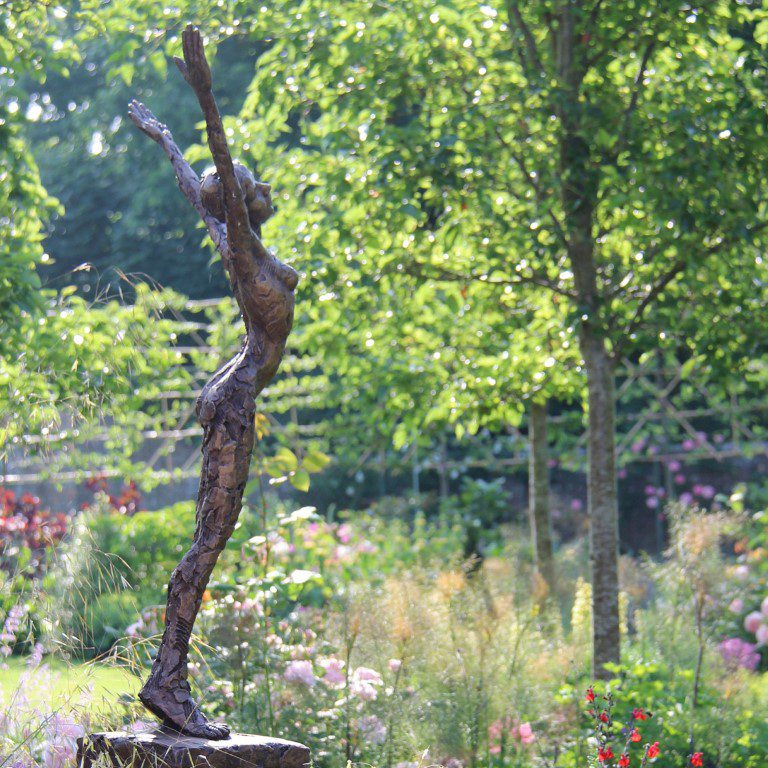
Her work enjoys permanent installations at prestigious venues such as Glyndebourne, Dorchester’s Coworth Park, and Lympstone Manor. She’s also featured in major art fairs like the London Art Fair, AAF Hong Kong, and AAF Singapore. Beyond her artwork, her commitment to community is visible through her role helping to establish the Bristol Drawing School and her trusteeship at Hay Castle Trust.
Style & Technique
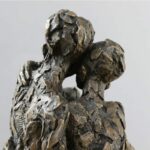
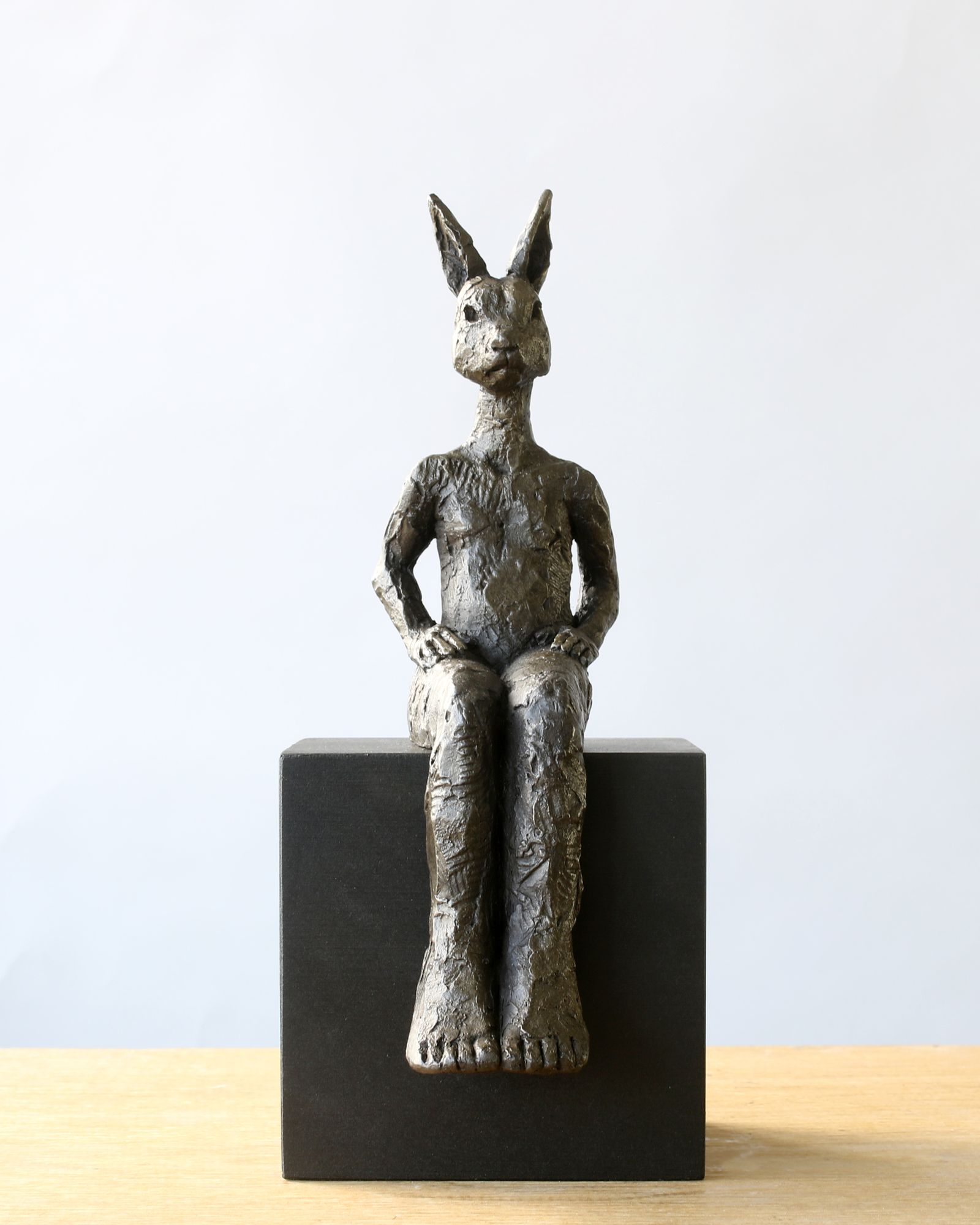
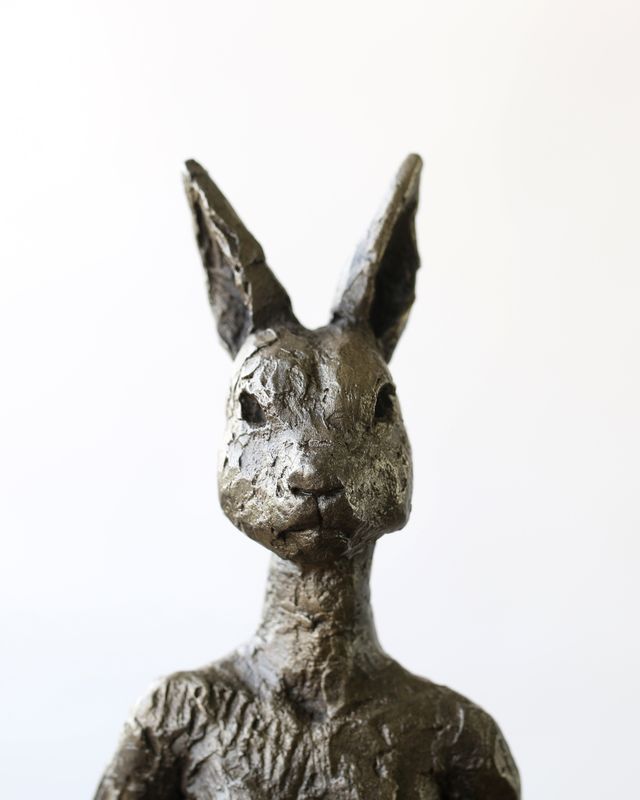
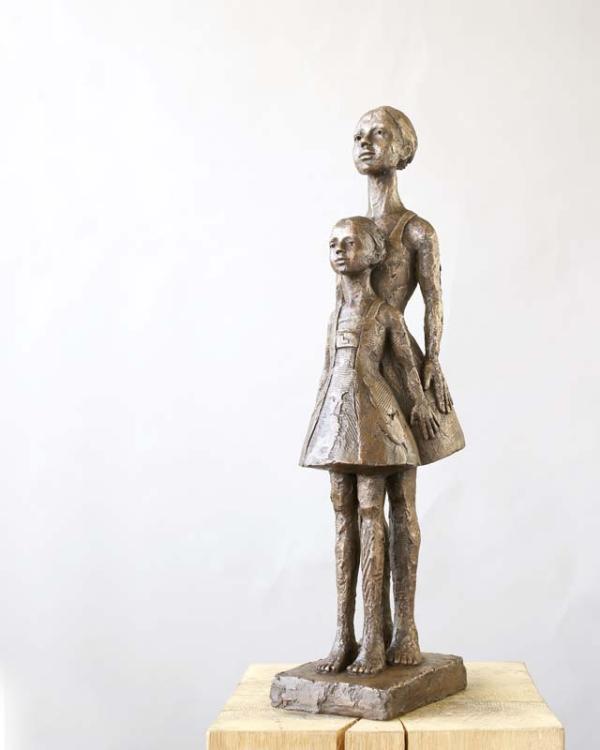
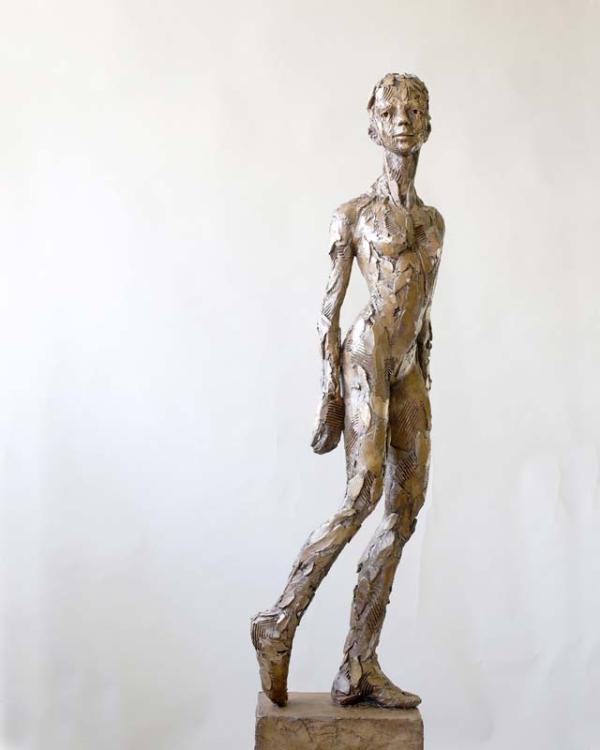
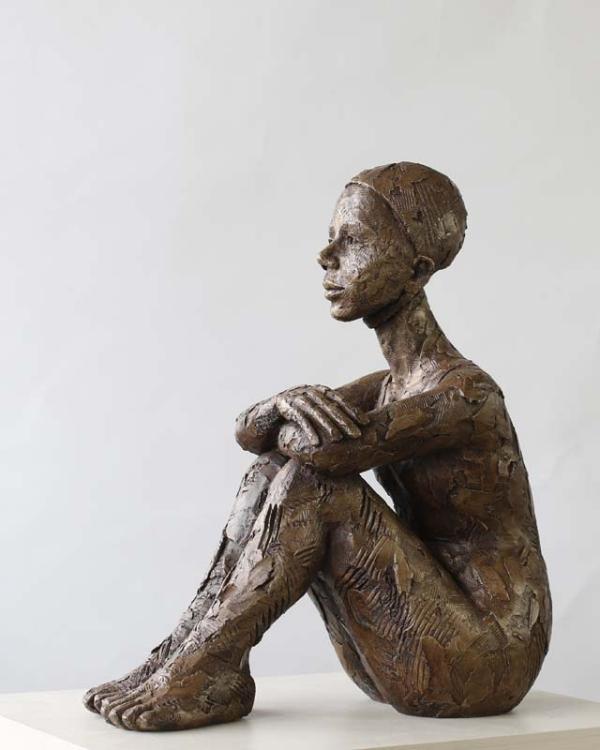
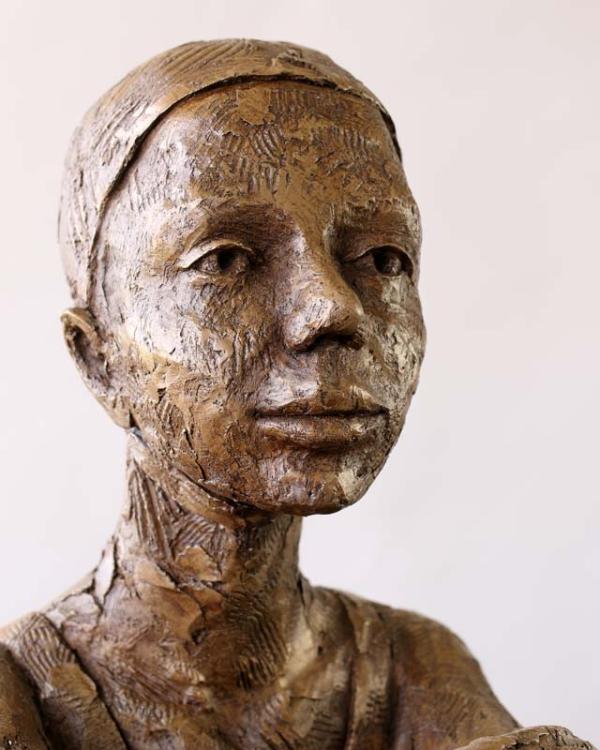
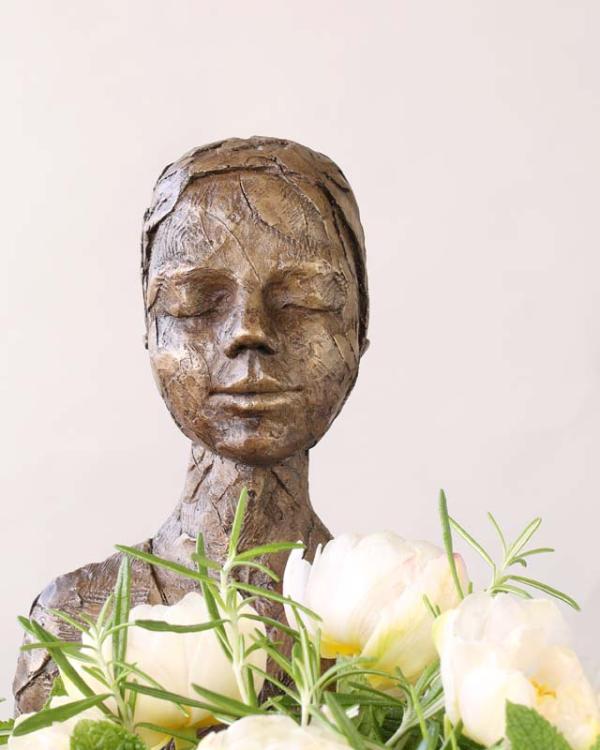
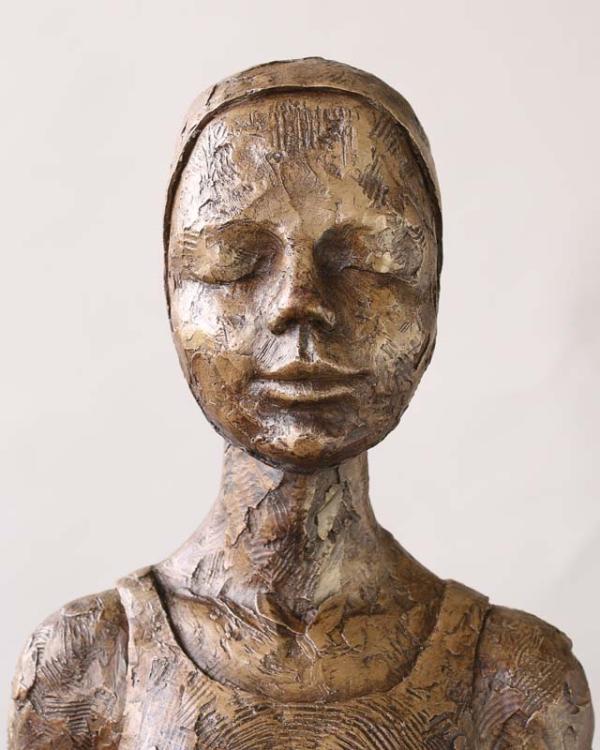
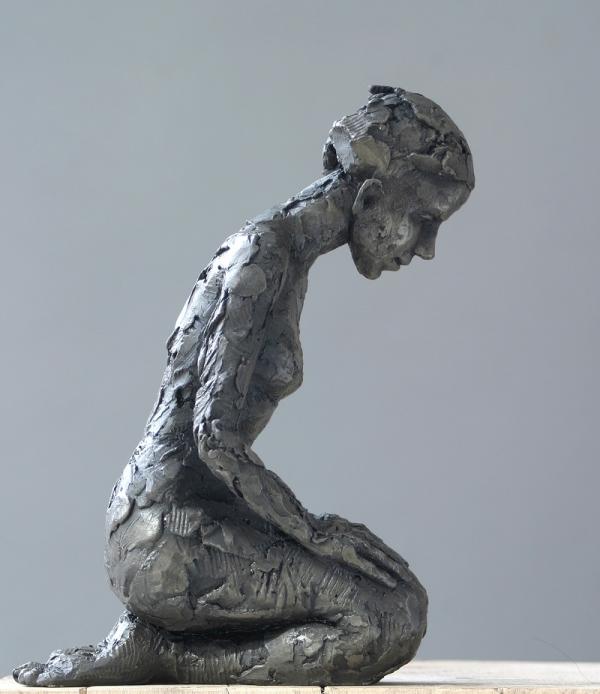
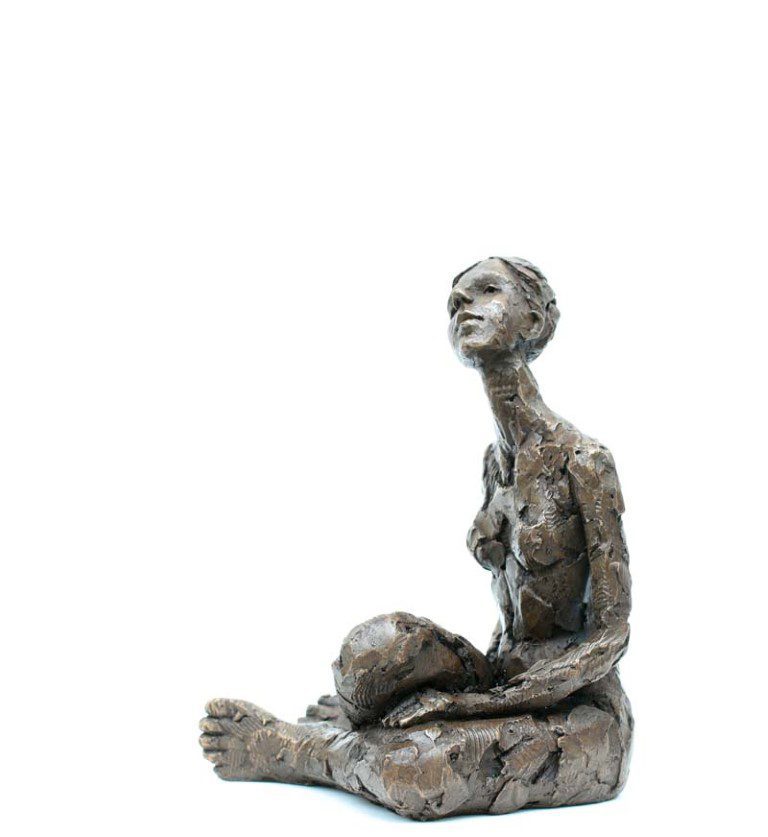
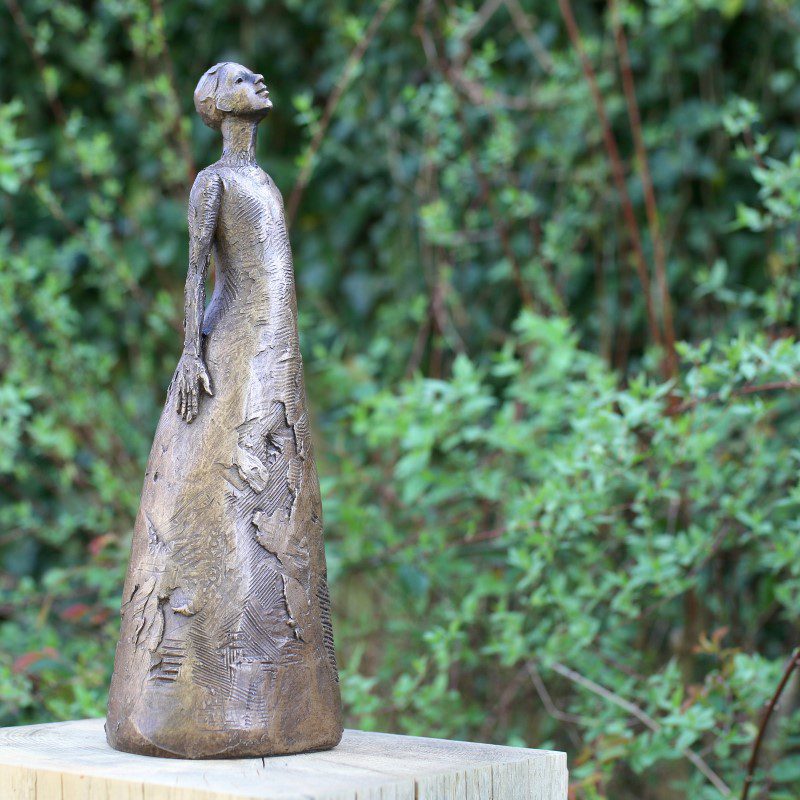
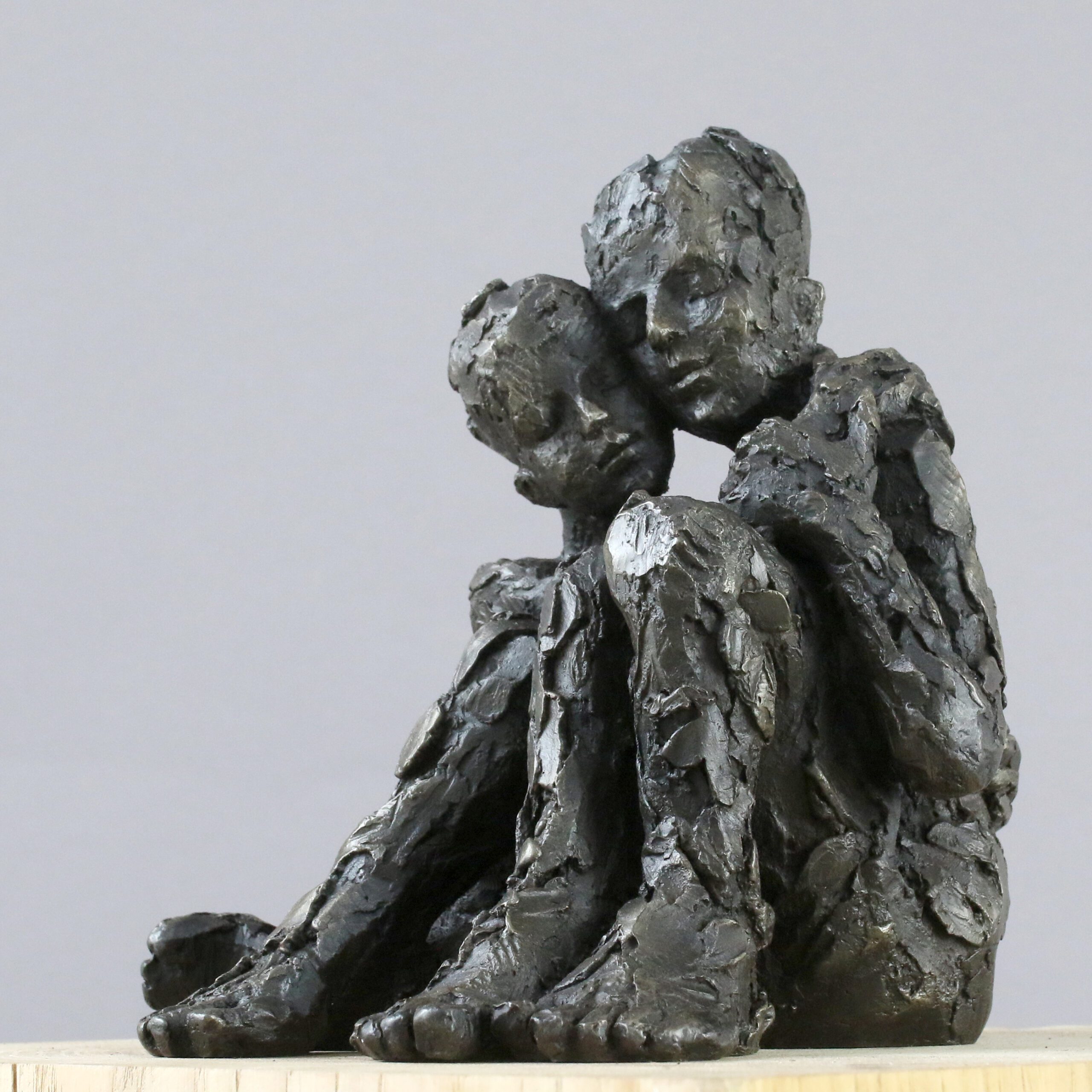
Carol Peace’s sculptures are whisper-soft yet expressive tributes to the nuance of everyday life. Each figure seems to emerge out of clay with the fluidity of a drawing, hands, feet, and posture carry poetic weight. Her process begins in clay, where mark-making is swift and intuitive.
These gestural forms are then cast in materials like bronze, bronze resin or iron resin, preserving the tactile immediacy of her strokes. Though marble could feel distant, Carol’s figures feel alive – balanced, poised, and textured as if sketched in three dimensions. Her practice is rooted in drawing: it’s how she learns to “see,” and it’s what gives her sculptures their observational clarity and emotional resonance.